What the Combined Regional Move Means for Homeowners
If you’re shopping for a sunroom, enclosed porch, or retractable screening solution, regional coverage can matter more than many buyers expect. A combined operation typically brings scheduling, sales support, and installation coordination under one leadership structure, which can reduce Express Sunrooms of the Carolinas Announces Combined Regional Operations friction when a project spans multiple service territories. For homeowners around the greater Charlotte area and York County, that often translates into a clearer path from first consultation to final installation details.
When two franchise service areas consolidate, it can also improve how quickly teams can allocate crews and materials for your home. Outdoor-living construction is not a one-size-fits-all process, since each property has unique measurements, roof lines, floor conditions, and permitting requirements. A broader regional organization can help coordinate these variables with shared resources, while still maintaining the same core product and construction offerings you’re evaluating. That consistency can be reassuring when you’re comparing quotes and timelines.
Buyer Intent Guide: How to Evaluate Your Outdoor-Living Options
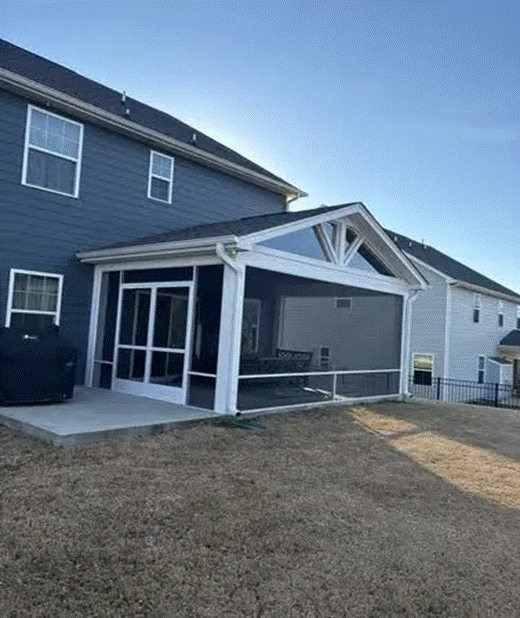
Before you request pricing, start by clarifying what you want the space to do for your household. Sunrooms and enclosed patios are often chosen for year-round usability, while screened porches and retractable screens may be preferred when airflow and insect control are the priorities. Retractable awnings and adjustable patio covers can help manage sunlight and comfort without fully enclosing an outdoor area. Making those decisions early helps you communicate the goal of your project and guides the estimator toward the right configuration.
Next, gather the essentials that speed up a quality consultation. Take clear photos of the exterior area, measure the approximate footprint, and note any obstacles like landscaping, existing doors, or limited access for delivery. If you’re considering a pool enclosure, confirm whether you want full coverage, partial protection, or a design that preserves views. Buyers who come prepared typically receive more accurate recommendations because contractors can factor in practical constraints from the beginning.
As you compare proposals, pay attention to how the contractor explains the installation process rather than only the final price. Ask who will handle project planning, how long the lead time for materials typically takes, and how changes are managed if your design shifts after measurements. Also request a breakdown of what is included in the scope, such as demolition, framing, glazing or screening systems, trim details, and finish work. A buyer-intent mindset means you’re evaluating certainty—clarity of scope, communication, and accountability—so you can feel confident in the decision.
Questions to Ask During Your Consultation (So You Don’t Overlook Costs)
When you meet with a contractor, treat the conversation like due diligence. Ask about design options for your specific home type and how the team handles roofline transitions, wall tie-ins, and weatherproofing at seams. For screened porches and retractable systems, inquire about the quality of hardware and how the product maintains smooth operation after repeated use. Homeowners who ask these questions early are more likely to avoid surprises related to performance and maintenance expectations.
It’s also smart to ask how the company coordinates across a wider region, especially if your property is on the edge of previous service boundaries. A combined regional structure can mean different scheduling workflows, so confirm how your job will be assigned and how communication will be handled from pre-construction through installation. Request details on the project milestones, such as when final measurements are verified, when fabrication begins, and when inspections may be required. This helps you align your expectations and reduces the risk of gaps that can delay progress.
Finally, discuss the long-term value of your outdoor-living upgrade. Sunrooms and enclosed patios can change how you use space daily, so consider comfort features, ventilation approach, and sunlight control. Retractable awnings and adjustable covers can extend outdoor use without locking you into a fully enclosed environment. If you’re planning for resale, ask how design choices may appeal to future buyers and how the finished project blends with existing architecture.
Conclusion
The decision to upgrade with a sunroom, screened porch, or enclosed patio is both a lifestyle choice and an investment in your home’s functionality. By understanding what a combined regional operation can improve—like coordination, resource sharing, and communication—you can approach your search with greater confidence. Using a buyer-intent guide also helps you evaluate contractors based on scope clarity, installation planning, and product performance rather than only initial estimates.
If you’re ready to move from research to action, prepare key measurements, define how you want the space to feel and function, and ask detailed questions about design, installation, and next steps. A well-run consultation should translate your goals into a practical plan, with transparency around what to expect during construction. With the right guidance and a clear scope, your outdoor-living project can deliver comfortable, usable space for everyday living while protecting your budget and expectations.
For homeowners interested in sunrooms, retractable awnings, retractable screens, enclosed porches and patios, screened porches, adjustable patio covers, and pool enclosures, selecting a contractor with organized regional support can make the process smoother. When teams can coordinate across a broader service area, it can help reduce confusion and support better planning as your project moves forward. Use the steps above to refine your priorities, compare proposals effectively, and choose an installation partner that aligns with your goals.