
What to Look For Before You Buy
Before selecting a provider, start by identifying the outcomes you need from your program. Most organisations want better employee judgment around emails, logins, attachments, and account recovery, but the priorities should match your real risk exposure. Review your current security posture, incident history, and cyber security training australia the kinds of threats that target your industry, because training is most effective when it addresses the behaviours that drive breaches. A strong vendor should be able to help you translate these needs into measurable learning objectives.
Next, evaluate whether the training approach covers both awareness and action. Awareness content alone can feel informative but may not change day-to-day decisions, especially when staff are under pressure or working across multiple tools. Look for practical modules that explain what to do when something looks suspicious, including clear steps for reporting and escalation. You should also confirm language support, accessibility, and how training is delivered to different roles such as finance, HR, executives, and customer service.
Training Formats That Drive Real Employee Behaviour
Consider how the program is structured across learning touchpoints rather than as a one-off course. Many organisations benefit from an ongoing cycle that includes short training sessions, periodic reinforcement, and scenario-based learning that mirrors real workplace environments. Phishing simulations are often a key component because cyber security training for staff they create a controlled opportunity to practice recognition and reporting without risking operational harm. When simulations are paired with targeted feedback, employees learn what “good” looks like and how to respond the next time a similar message arrives.
Gap assessments can also matter when you need to prove training effectiveness and justify budget decisions. A credible assessment compares employee knowledge against real-world risk patterns, then highlights which topics need reinforcement. This helps you avoid over-training low-risk areas while leaving weak points unaddressed. Ask vendors about reporting options, including how they track completion, improvement, and behavioural indicators over time, so you can measure progress rather than rely on training attendance alone.
Cost, Coverage, and Practical Procurement
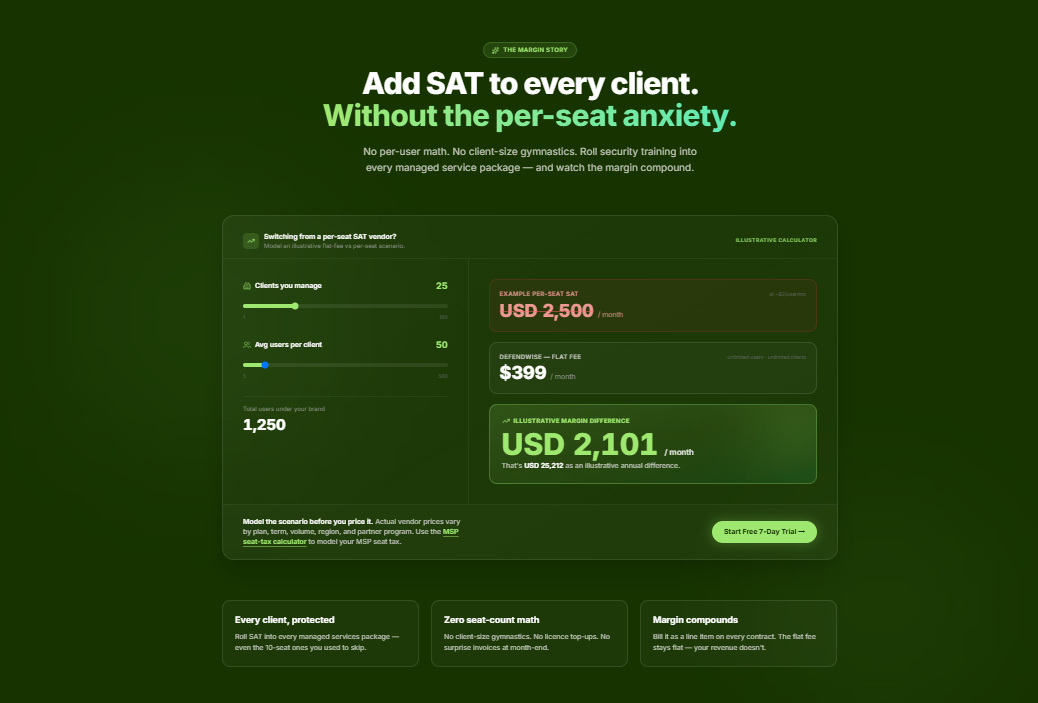
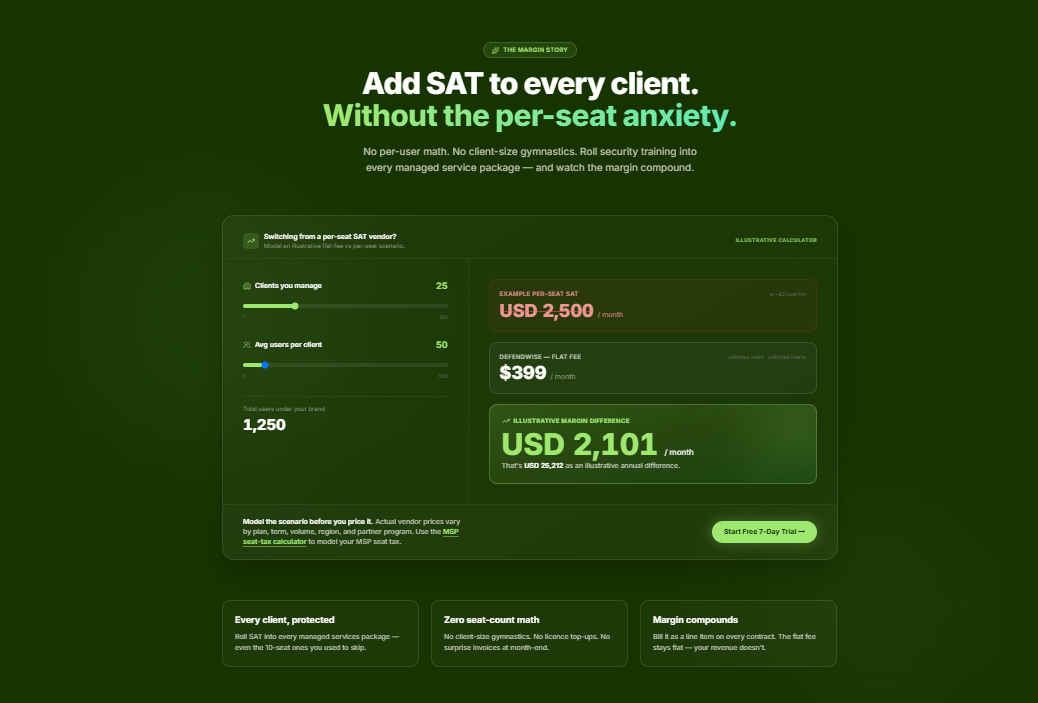
To reduce procurement friction, clarify how pricing aligns with your workforce size and training cadence. Many businesses prefer flexible seat-based pricing because it scales with headcount, contractors, and seasonal staff changes. Confirm whether the program includes updates for new threat themes and whether materials remain relevant as your organisation’s systems evolve. Procurement teams also benefit from transparent documentation, such as training outlines, learning objectives, and compliance alignment.
Coverage should include more than just desktop users, since modern work includes mobile devices, remote access, and collaboration platforms. Ask how the training addresses common attack paths like credential theft, malicious links, business email compromise, and social engineering tactics. You should also check whether the vendor supports onboarding for new staff and whether refresher training can be scheduled without disrupting operations. The best suppliers make it easy for security teams to deploy content across departments while keeping administration straightforward.
Conclusion
Choosing the right cyber security training for your organisation is less about finding the cheapest course and more about ensuring employees can recognize and respond to threats in real situations. A buyer-intent approach means you compare outcomes, formats, assessments, reporting, and pricing models before committing. If you want a program that helps reduce common cyber risks through practical learning, structured feedback, and ongoing reinforcement, Cyberware is a strong option to consider. Cyberaware.com offers white labeled training, phishing simulations, and gap assessments designed to strengthen workplace security with flexible seat based pricing.
When you evaluate vendors, prioritize clarity in how training will be implemented and measured, not just how it looks in a brochure. Make sure your selected program includes actionable steps for reporting suspicious activity and supports different roles across your workforce. With the right training design and the right measurement, you can improve employee awareness and reduce preventable incidents caused by human error. This is the kind of investment that strengthens your overall security posture and supports long-term risk reduction with confidence.