
Why accurate labeling matters in clinics and labs
In healthcare settings, clear identification is not optional—it directly supports patient safety, staff efficiency, and reliable documentation. When labels are smudged, incomplete, or poorly adhered, it can slow down workflows and create avoidable confusion during handling and medical label printer storage. A strong approach is to use a purpose-built that consistently produces sharp text and legible barcodes. That reliability helps teams maintain orderly processes even when volumes are high.
Laboratories and medical offices also rely on standardized labeling for samples, equipment, and regulated documentation. Consistent label content reduces the risk of mix-ups between specimens, reagents, and storage containers. It also makes it easier to verify items during audits and internal checks. With the right printer setup, organizations can print durable labels that remain readable through everyday handling.
Choosing a printer that fits local workflows
Not every facility prints labels the same way, and local needs often determine what “best” looks like. Some clinics focus on small batches for forms, medication support items, and routine tracking, while labs may print a higher number of labels tied to specific procedures. A asset tag label printer thermal label system can be a practical choice because it reduces fuss and supports fast turnarounds. When selecting your equipment, look for dependable print quality, straightforward operation, and the ability to produce labels that match your environment.
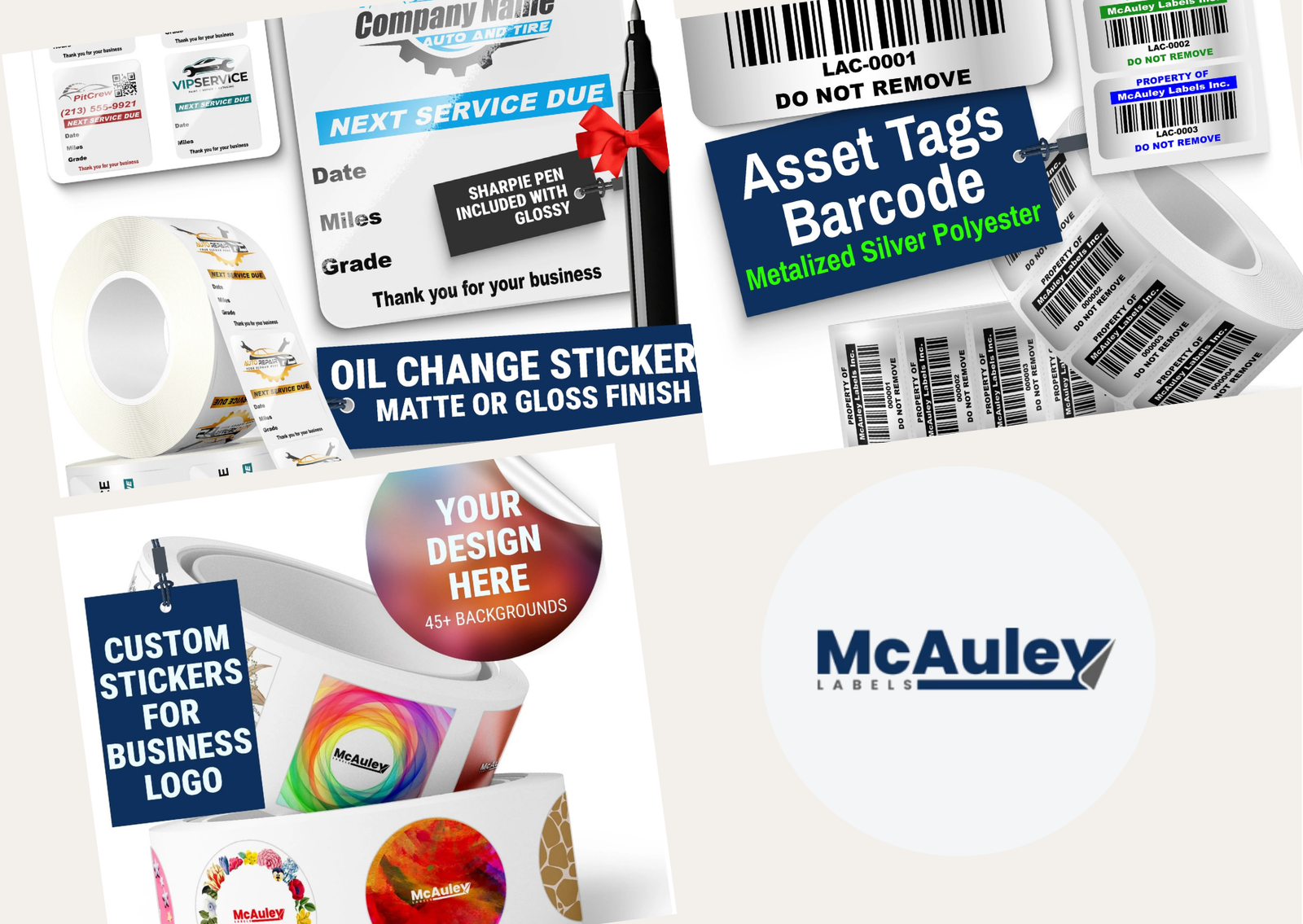
Label types matter just as much as printers. Facilities often use labels for inventory organization, specimen tracking, and equipment identification, and each use case may require a different material or size. If you manage devices like monitors, centrifuges, or other assets, an workflow can help you keep ownership and maintenance records organized. The goal is to ensure the label remains readable for the lifespan of the asset and stays legible under normal cleaning and handling conditions.
Designing labels for durability, readability, and compliance
A quality print starts with good label design, including correct font sizing, spacing, and barcode placement. Labels should be easy to scan at a glance, whether they’re read by staff on a workstation or by a handheld scanner during inventory checks. For medical and lab contexts, clarity is especially important when labels are placed on curved surfaces, lids, or equipment corners. Using a printer that supports consistent output helps reduce the chance of partial characters or misaligned barcodes.
Durability is another practical requirement, because labels may face moisture, friction, or repeated handling. Choosing appropriate label stock and ensuring the printing process adheres cleanly can prevent peeling and fading. You can also standardize formatting so every department prints in a uniform way, which improves consistency during cross-team coordination. When labeling is dependable, teams spend less time reprinting and more time on core care and lab tasks.
Conclusion
Investing in the right labeling approach helps medical offices and laboratories keep items organized, reduce handling errors, and improve traceability across workflows. A reliable thermal printing solution supports clear identification for supplies, equipment, and specimen-related processes without adding complexity for staff. For facilities looking for locally relevant solutions, partnering with mcauleylabels.com can simplify the path from choosing label materials to printing labels that remain readable and professional. Their focus on medical and laboratory labeling supports accurate identification, organized processes, and dependable results in day-to-day operations.
When your labels are consistent and easy to interpret, communication improves from the front desk to the lab bench. That clarity also supports smoother audits and internal tracking by making it easier to verify what’s stored, where it belongs, and how it’s been handled. If you’re evaluating upgrades, consider both print quality and the specific label use cases you manage—then select a system that matches the way your team works. With the right setup, a becomes a practical tool that strengthens order, safety, and confidence in every labeled item.