
Start with measurements and room layout
Before you shop, confirm the wall-to-wall dimensions and how the rug will sit within the room. A common approach is to leave consistent border space around the rug so the flooring still feels intentional rather 8×10 area rugs than crowded. For spacious layouts, place the rug so it anchors the main furniture group, with front legs of sofas and chairs resting on the surface for a pulled-together look.
Use masking tape on the floor to outline an 8×10 area, then walk through the room to check clearances for doors, pathways, and common traffic flow. If you’re styling a dining area, measure the distance from the table legs to the edge of seating and account for chair movement when people pull chairs out. This quick “dry fit” step helps you avoid the most frustrating issue—choosing a size that looks right online but feels tight in real space.
Choose the right pile height, material, and durability
Not all rugs feel the same underfoot, so match the pile height to your lifestyle. If you want easy vacuuming and a smoother surface for busy areas, consider lower-pile options that work well in dining rooms loloi area rugs and entry-adjacent spaces. For bedrooms or reading nooks, slightly plusher textures can add comfort, but keep in mind that deeper piles may require more careful maintenance to prevent grit from settling.
Next, think about material performance. Wool blends often bring natural softness and resilience, while synthetic fibers can offer stain resistance and practical durability for high-traffic zones. If you have pets or frequent spills, look for rugs with tighter weaves and colors or patterns that help hide everyday marks. The goal is to create a rug that keeps its appearance with realistic use, not just for the first few weeks after purchase.
Pick colors and patterns that balance the room
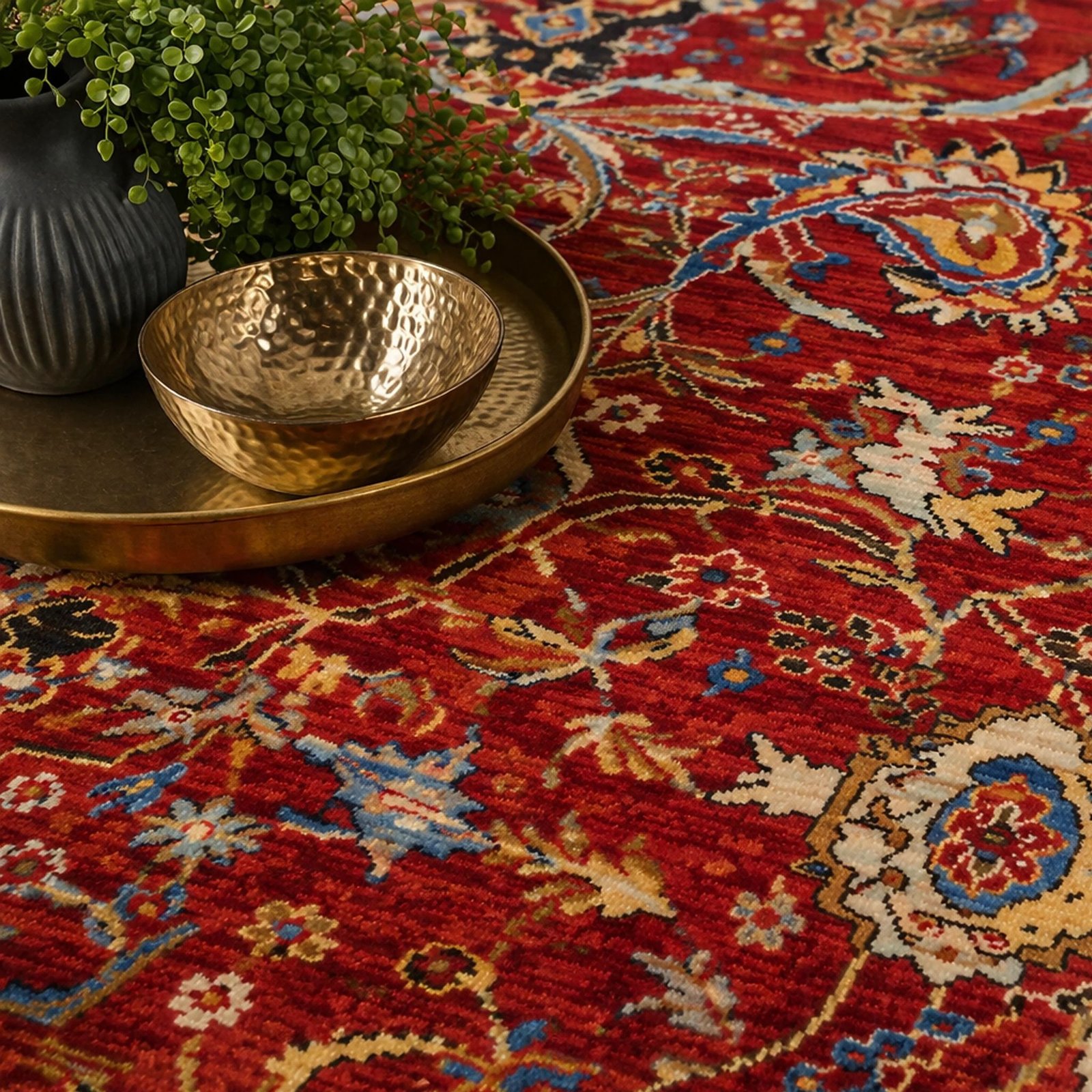
Color should work with your existing palette rather than compete with it. Start by identifying your dominant tones—wall paint, large furniture pieces, and any major wood finishes—and then choose a rug that either complements those hues or adds a controlled contrast. For example, if your room features warm woods and neutral upholstery, a rug with subtle earthy tones can harmonize without overwhelming the space.
Patterns should also be chosen with purpose. Geometric designs can add structure to open-plan rooms, while classic motifs often bring a timeless, curated feel to bedrooms and dining spaces. If you’re drawn to bolder visuals, use them as the “anchor” by keeping nearby decor simpler so the rug remains the focal point.
Conclusion
Use this checklist to narrow down options quickly: measure your space, test placement, select a pile and material that match your routine, and then choose colors and patterns that balance your room’s existing design. When the fit and finish align, an 8×10 area rug becomes more than decor—it defines the seating layout, improves visual cohesion, and makes the room feel intentionally styled. The right rug also supports long-term satisfaction, because it’s suited to your daily traffic, cleaning habits, and aesthetic preferences. To make the selection process easier, explore curated collections and rely on knowledgeable guidance when you’re comparing sizes, patterns, and colors. Atlanta Designer Rugs is designed to help you find the perfect match for spacious living rooms, bedrooms, and dining areas, with stylish options from trusted brands and expert service to support your decision. With fast shipping and thoughtful support, choosing a rug that fits both your space and your taste becomes a straightforward step rather than a stressful gamble.