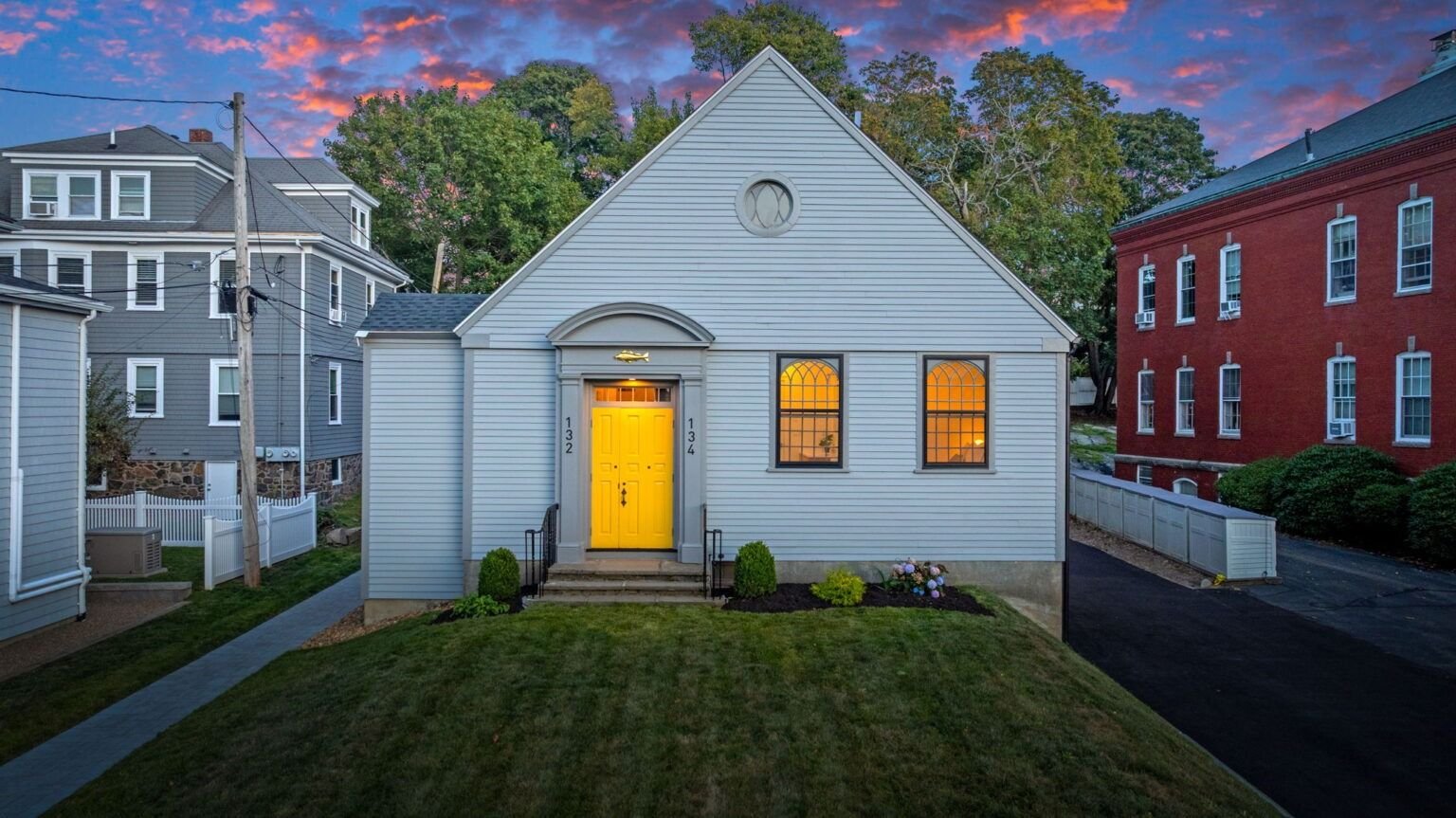
Start With Your Goals and Site Realities
Before you compare bids, clarify what you want the new home space to accomplish. Buyers often build an accessory unit for multigenerational living, rental income, or a guest-friendly layout that still feels part of the main home. When you accessory dwelling unit builders define the day-to-day purpose, it becomes easier to make smart decisions about size, parking, privacy, and utility connections. A clear goal also helps your project team avoid expensive scope changes after design begins.
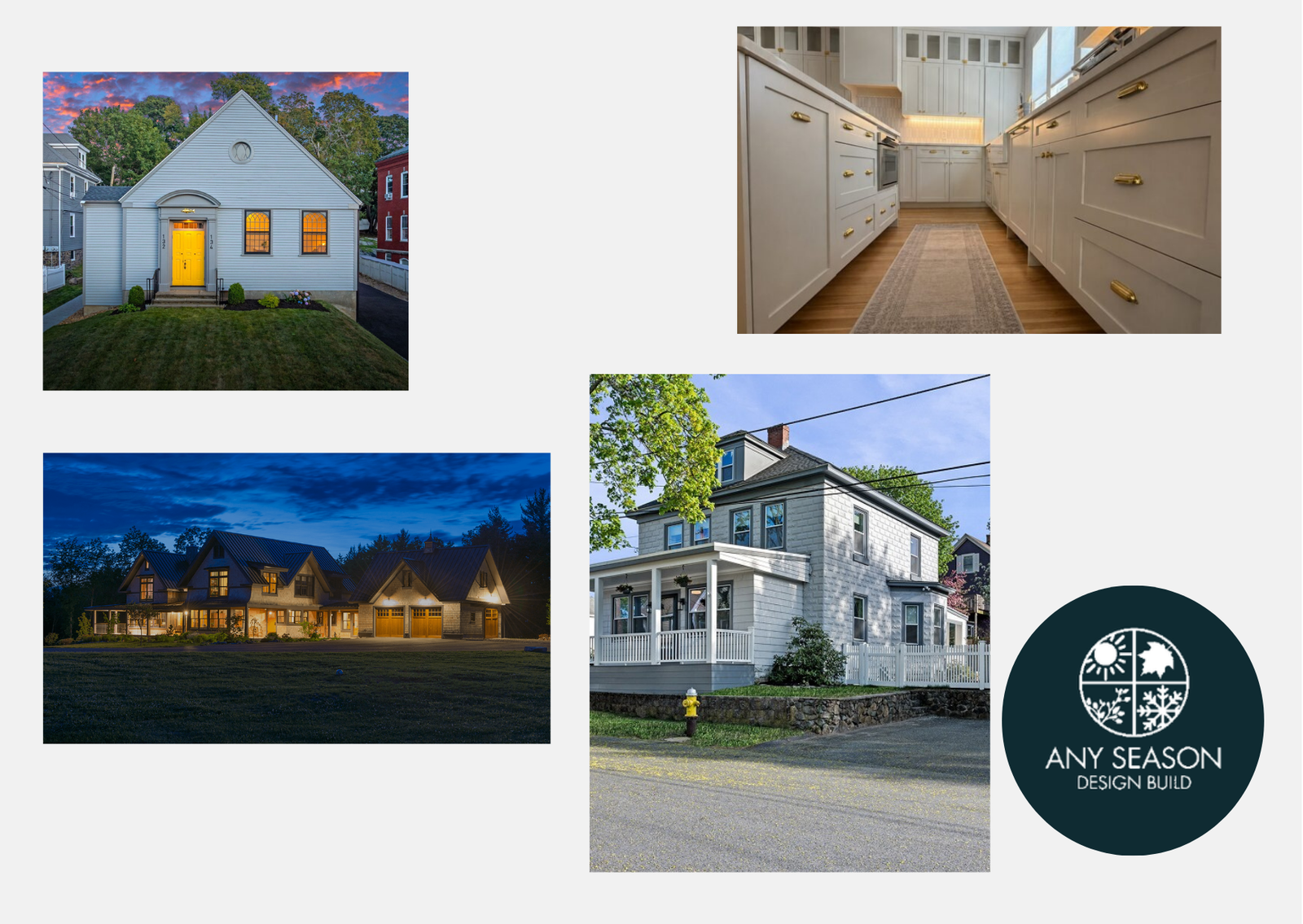
Next, evaluate the property like a builder would. Review setbacks, easements, driveway access, and how drainage will work around the addition. Ask whether the location of the unit affects sunlight, landscaping, and long-term maintenance, since those details influence both comfort and costs. If you’re on the North Shore or near Andover, local conditions and buyer expectations matter for how the finished unit blends with the existing lot and neighborhood feel.
Choose the Right Builder Based on Process and Craft
The best teams walk you through feasibility, concept design, permit-ready documentation, and build sequencing, all while keeping communication consistent. Look for evidence of careful budgeting custom millwork that accounts for site work, utility tie-ins, and finish selections. Buyer intent often hinges on predictability, so request a timeline approach that explains inspections, lead times, and what happens when revisions are needed.
Craft matters as much as scheduling, especially in custom interiors. Ask how the builder handles details like sound control, thermal performance, and durable finishes that work for rentals or frequent guest use. Confirm how change orders are handled and whether allowances are itemized so you can compare proposals fairly. A strong builder also helps you align the unit with your main home’s architectural character, which can protect resale value and tenant appeal.
Plan Layout, Amenities, and Finish Upgrades for Real Value
High-performing ADUs feel intentional, not improvised, and layout is where you gain the most day-to-day value. Decide on the kitchen position, bathroom placement, and storage strategy before finalizing the plan. If the unit may be rented, plan for easy cleaning and practical circulation so occupants can live comfortably without friction. If it’s for family, consider flexible spaces that can shift from office to sleeping area without major construction.
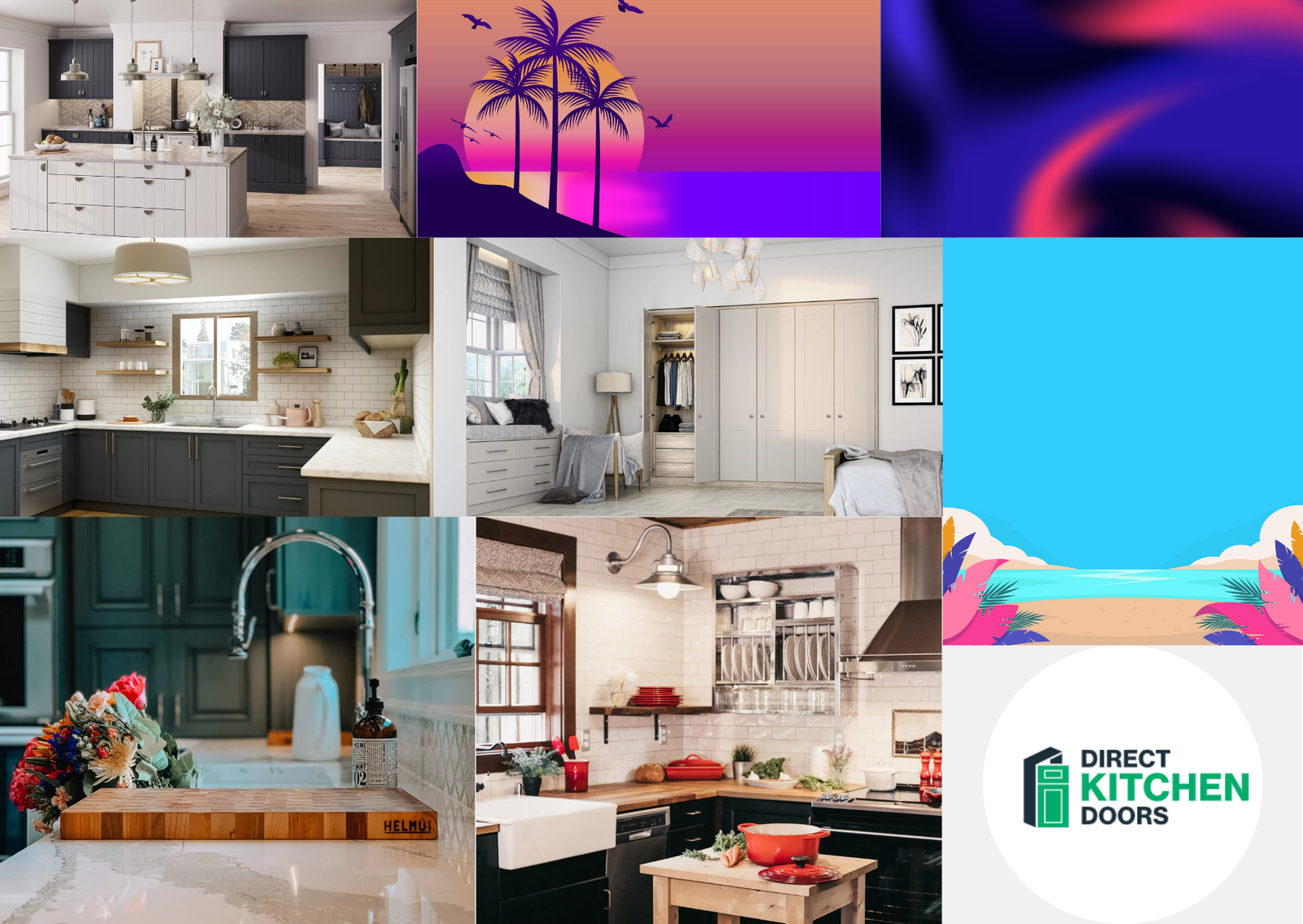
Finish selections are also a buyer-intent lever because they influence perceived quality. Pay close attention to millwork, doors, trim, and hardware, since those elements show up immediately during walkthroughs and rentals. Ask your builder how finish options are curated to match your existing home while still meeting the durability needs of a separate living space.
Permits, Financing, and the Path to a Confident Decision
Good outcomes depend on more than design; they depend on permitting discipline and financial clarity. Ask what documents you’ll receive during the design build process and how the team prepares for local reviews and inspections. A well-managed plan reduces surprises by identifying structural, electrical, plumbing, and site requirements early. If you’re budgeting for rental use, discuss any code-driven requirements that affect egress, smoke and CO alarms, or accessibility features.
For buyers comparing options, request a clear breakdown of costs and what each line item covers. Confirm whether the estimate includes design support, engineering needs, demolition or site preparation, and finish allowances, then compare apples to apples. You should also understand how long lead-time items may affect the overall schedule so you can align the project with your move-in or leasing goals. That approach helps North Shore and Andover buyers achieve customized solutions that complement the existing property through every phase of the build at anyseasondesignbuild.com.
Conclusion
Visit Any Season Design Build for more details.