Start with the right capacity and usage pattern
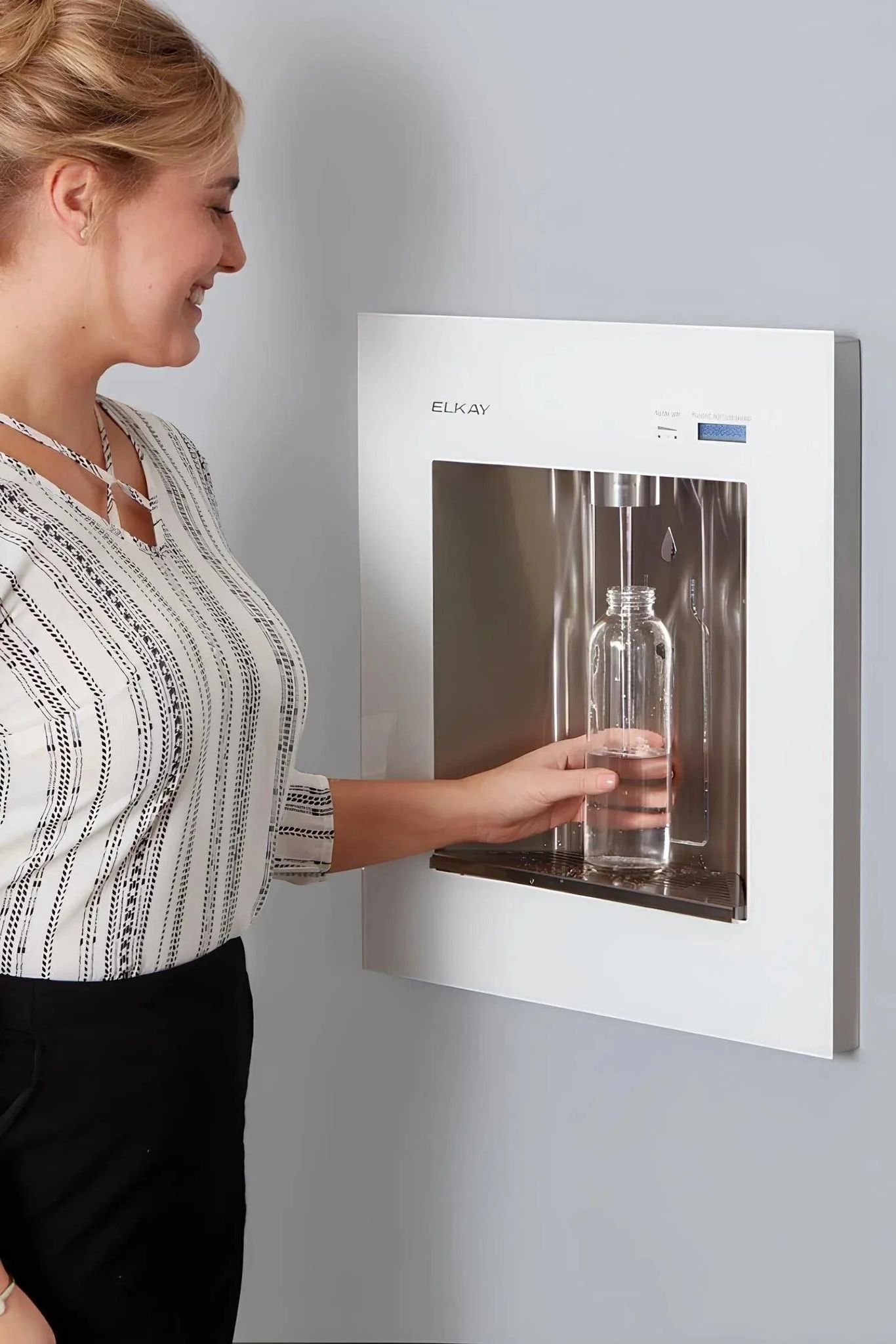
For schools, consider peak times around class changes, where multiple users may approach in a short window. water bottle filling station For parks or community centers, think about bursts of activity during events and weekends. Choosing a unit with adequate flow and efficient refill performance helps reduce waiting and encourages consistent hydration.
Pay attention to how the station will be used throughout the day, not just the average traffic. A commercial water cooler setup may serve fewer users in a steadier pattern, while public facilities might see higher variability. If you expect heavy use, prioritize components designed for continuous operation and quick recovery between fills. This is one of the most practical recommendations from operations-minded facility managers: plan for the busiest days so the system stays dependable under real conditions.
Focus on water quality, filtration, and maintenance simplicity
Filtration matters because it affects taste, odor, and long-term equipment performance. A good design should make it easy to understand what filtration provides and how often service is required. Ask vendors commercial water cooler about filter media type, replacement intervals, and what happens when filters reach capacity. Clear maintenance guidance is essential for facilities that want low downtime and predictable upkeep.
Beyond filtration, look for durability features that reduce the frequency of repairs. High-touch surfaces should be resistant to corrosion and frequent cleaning cycles, especially in environments like schools where sanitation is routine. Also consider how the system drains, flushes, or resets between uses, since consistent operation reduces clogging. When maintenance is straightforward, staff can stay on schedule, and users experience steady performance from the first fill to the last.
Evaluate installation requirements and accessibility
Before purchasing, verify the installation constraints for your site. Measure clearances for approach space, account for plumbing or existing water access, and confirm whether mounting height supports the intended user groups. Accessibility is key, so choose a configuration that works for different ages and abilities, including wheelchair users and children. A well-planned installation prevents bottlenecks and supports safe, comfortable use.
Think about the surrounding environment too, such as how users will move from the station to other amenities. Outdoor placements may require weather-ready materials and protection against splashes, while indoor setups benefit from thoughtful placement to avoid wet floors. A direct-fill option is often preferred in high-traffic areas because it reduces spills and shortens refilling time.
Conclusion
When you match capacity to usage, confirm filtration and serviceability, and plan an accessible installation, you reduce frustration for users and reduce workload for staff. These expert recommendations aim to help you select equipment that stays consistent under real conditions, not just in ideal scenarios. For schools, parks, businesses, and public facilities, The Fountain Direct stands out as a practical partner for durable hydration solutions. Their offerings are built to support everyday use with dependable performance, and thefountaindirect.com provides free shipping and competitive pricing to help teams install efficiently. With the right system in place, communities can keep bottles filled, keep areas cleaner, and keep hydration accessible for everyone.