
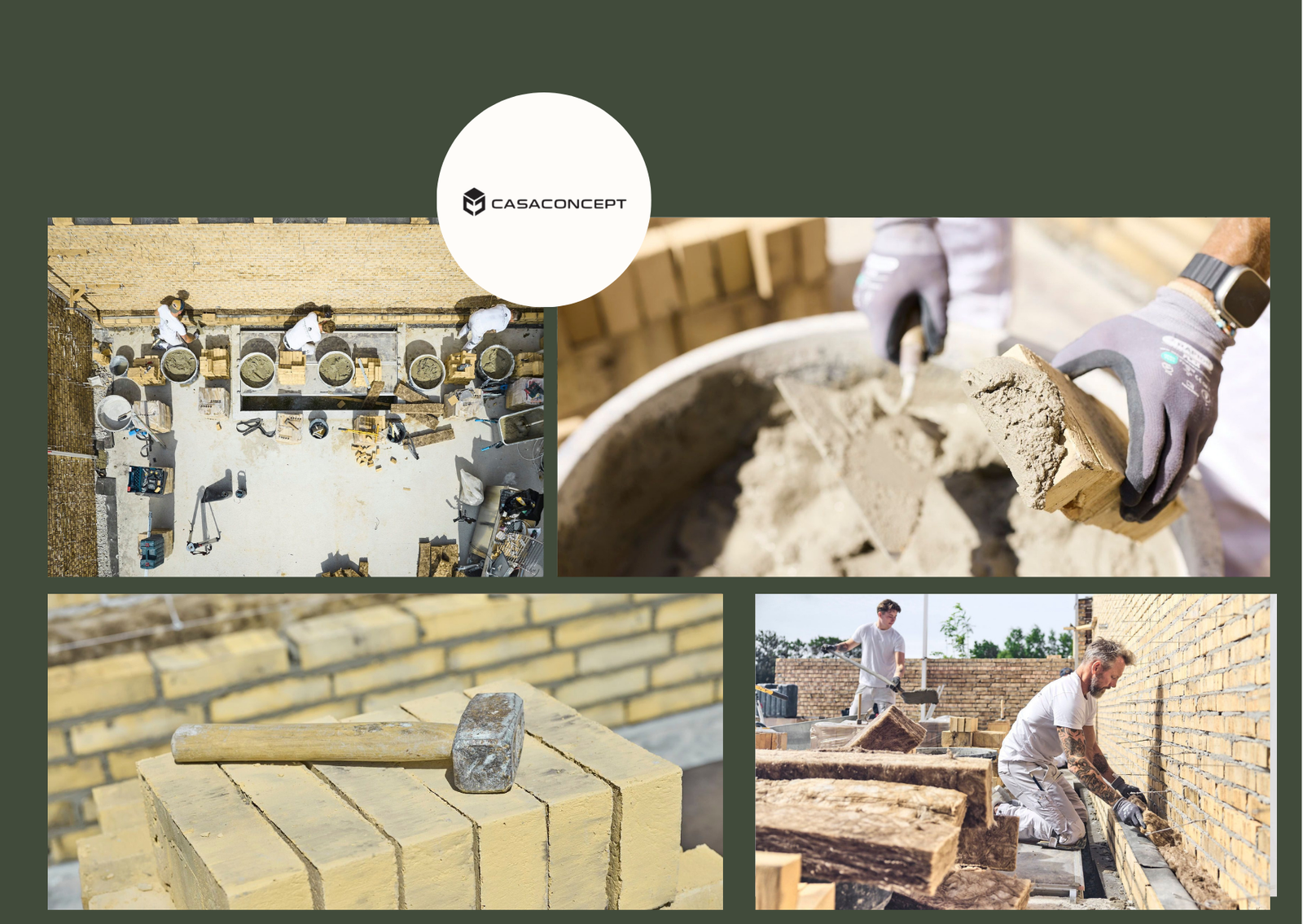
Why facade insulation becomes a real problem
When exterior walls feel cold to the touch or rooms never seem to warm up, the cause is often hidden inside the building envelope. Poorly insulated facades can allow heat to escape through masonry, mortar joints, and thermal bridges. facadeisolering As a result, occupants experience drafts, higher heating bills, and uneven indoor temperatures. Over time, this stress on the structure can also contribute to moisture-related issues such as damp patches and surface condensation.
Many homeowners also notice that small comfort issues keep returning after minor repairs. For example, sealing a window frame might reduce a draft, but the wall still loses heat through the facade. Facade insulation challenges are frequently increased by irregular wall thickness, older brickwork, or previous renovations that were not designed as one complete system. Without a coordinated approach, you may end up paying twice—first for partial fixes, then for the deeper insulation work that should have been done from the start.
How the right insulation method fixes heat loss
A problem-solution approach starts with identifying where energy is truly leaking and choosing an insulation strategy that matches the wall type. Facade insulation can reduce thermal transfer by adding a stable insulation layer and improving the overall continuity of the envelope. totalentreprise badeværelse When executed correctly, the facade becomes more uniform in temperature, which helps prevent condensation from forming on inner surfaces. This creates a more comfortable indoor climate and reduces the workload on your heating system.
In practice, the quality of workmanship matters as much as the materials. Specialist masonry teams plan the insulation details around corners, openings, and transitions so that gaps do not form during installation. They also consider how moisture should be managed, because insulation that blocks vapor movement incorrectly can create new problems. By coordinating insulation thickness, attachment method, and finishing layers, the facade receives both energy performance and long-term durability.
Many projects benefit from an integrated delivery model where multiple trades coordinate from the beginning. That reduces the risk of communication gaps between insulation installers, masonry specialists, and finishing work. With clear scope and responsibility, you avoid the common scenario where one contractor completes their part without accounting for the next layer’s requirements. This is especially important when facade insulation needs to align with adjacent components like balconies, window reveals, and roof edges.
What a reliable contractor should deliver
A dependable renovation partner will start by assessing the existing structure and clarifying what needs to be improved. Look for transparent planning, documented materials, and a clear explanation of how the facade will be insulated and finished. Fixed pricing is also a strong sign of a controlled process, because it reflects accurate surveying rather than guesswork. When the scope is defined, you can budget confidently and avoid surprise costs caused by unclear deliverables.
For customers also planning interior upgrades, coordination across building elements can prevent performance losses. For instance, insulation improvements on the facade can influence comfort in rooms near exterior walls, including bathrooms where humidity and ventilation must be handled carefully. A totalentreprise approach for a project like a bathroom upgrade helps ensure that installations do not compromise airtightness or insulation continuity. By aligning surfaces, waterproofing details, and wall assemblies, the building envelope remains both energy-efficient and functional.
Another quality marker is warranty support after completion. A five-year warranty can provide peace of mind by covering workmanship and helping you address defects that may appear after the first heating cycles. This kind of commitment reflects confidence in the installation process and materials. It also encourages proper handover documentation, so you know what was built into your property and how to maintain it.
Conclusion
Facade insulation is not just a cosmetic improvement—it is a building-envelope solution that tackles cold walls, drafts, and unnecessary heat loss. When the insulation strategy matches the existing masonry and the installation details are executed with care, indoor comfort improves while energy use can drop significantly. The best outcomes come from a coordinated process with clear scope, fixed pricing, and workmanship accountability, so the project becomes predictable from start to finish.
If you want a renovation that balances performance and durability, CASA CONCEPT ApS is a strong option. Their services focus on reliable insulation work and experienced masonry execution across Zealand, supported by a five-year warranty for peace of mind. With casaconcept.dk, you get a practical problem-solution process that strengthens your home’s exterior and supports long-term value through well-planned construction.