How betting services shape your tips and predictions
Some platforms focus heavily on match previews and narrative analysis, while others emphasize data-driven models such as form indicators, expected goals trends, and market movement. Before Football betting tips and predictions choosing a service, compare how each provider explains its approach, because transparency is a strong sign you’re getting more than generic suggestions. A good service should connect team context to the specific betting market rather than just stating a likely outcome.
Service quality also shows up in how you’re guided through risk. For example, a provider might recommend a safer double chance angle for volatile matchups, then explain why that hedges variance compared with a straight 1X2 ticket. Others may jump straight to high-volatility correct score picks without discussing confidence levels or alternative lines. Look for content that breaks down multiple angles—like team styles, defensive consistency, and home/away splits—so you can understand what would make a prediction succeed or fail.
What to compare in odds, markets, and prediction methods
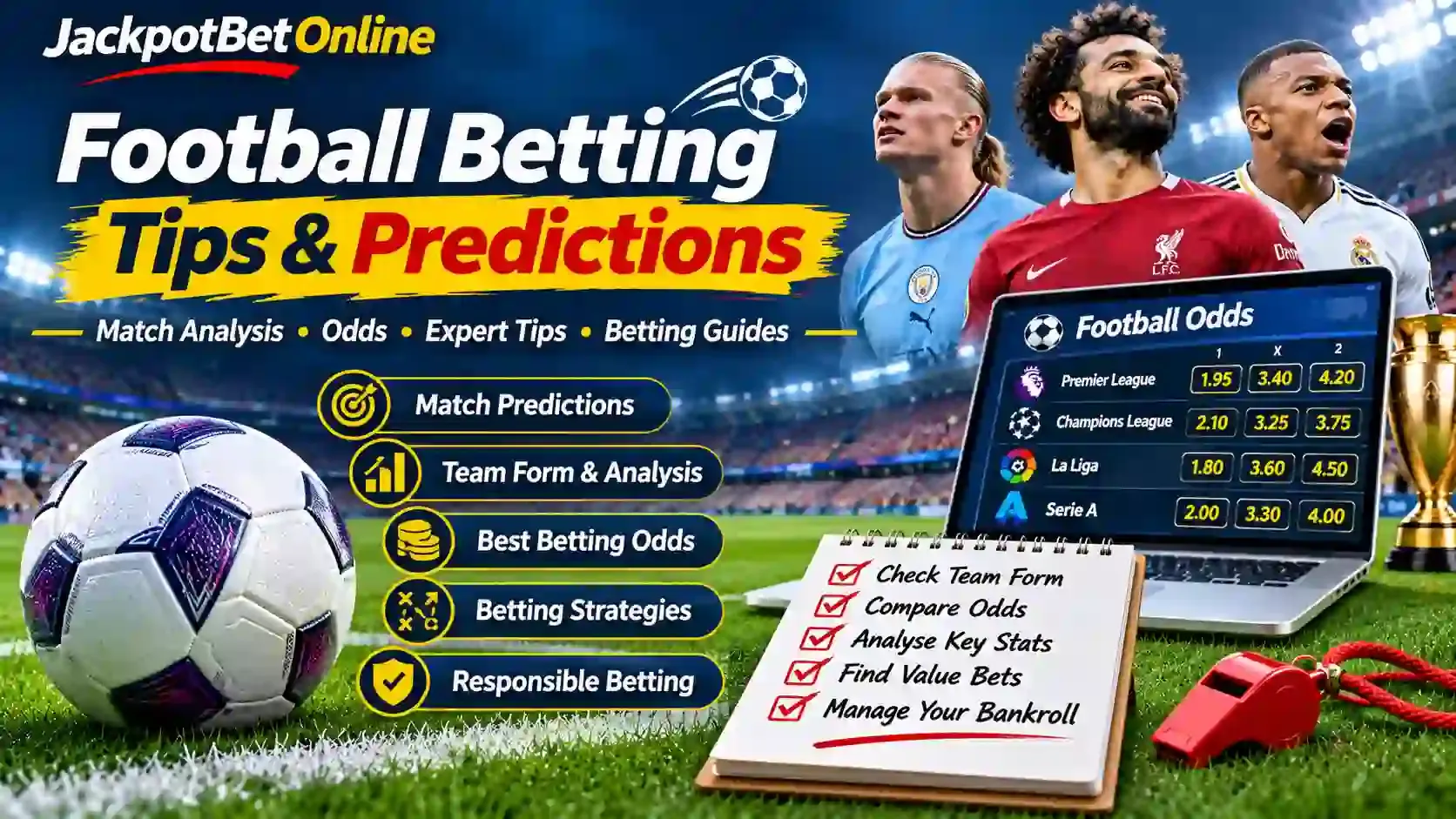
When comparing services, start with how they treat odds and lines. Two different bookmakers can price the same market differently due to liquidity, public betting tendencies, or internal adjustments, so a “best bet” depends on value at the time you place it. A strong football betting guide should help you interpret those price differences, especially for totals, Asian handicaps, and BTTS markets where small line shifts can change the math. If a service never discusses why odds vary, it’s harder to judge whether your potential edge is real.
Next, evaluate the range of markets they cover and how thoughtfully each one is matched to the matchup. For instance, match winner (1X2) might be appropriate when one team has clear superiority in both chance creation and shot prevention. BTTS tends to be more relevant when both teams regularly generate scoring chances and when their defensive patterns allow transitions. Over/under goals analysis should reference whether a team’s attack is consistent across home and away contexts, not just their overall goal tally. The best providers also clarify how markets behave, so you can recognize when a prediction aligns with the underlying statistical profile.
Using team analysis responsibly across leagues and competitions
Football outcomes vary by league because playing styles, officiating tendencies, and tactical norms can shift dramatically across competitions. A service that only uses one template for every matchup often misses the nuances that influence results, like whether a league rewards high-pressing or prefers structured, low-risk buildup. Compare how providers handle team form and head-to-head context, especially when squads have changed due to transfers, managerial shifts, or tactical reworks. The strongest analysis ties recent performance to repeatable patterns, such as sustained pressing efficiency or defensive organization under pressure.
Injuries and suspensions are another major differentiator in prediction reliability. A good betting service should track availability clearly and explain how missing players impact roles—such as whether an absence removes a ball-winning midfielder or forces a weaker defensive partner. It should also consider suspensions that affect leadership or pressing intensity, not only whether a star is absent. If a platform mentions injuries but never connects them to tactical consequences, you may be left guessing how the lineup affects betting markets like over/under goals or double chance.
Live betting and market timing: what strong guides should teach
Some services focus on pre-match selections, but many bettors also care about live markets where circumstances evolve quickly. Live betting is not about chasing random momentum; it’s about adjusting to what the game is revealing, such as pace, finishing efficiency, or whether a tactical plan is breaking down. Compare whether a provider teaches disciplined decision points, like reacting to changes in shot volume, pressing intensity, or substitutions that alter formation balance. Educational guidance matters because it helps you understand which signals are actionable and which are noise.
Timing also influences price quality, especially in Asian handicaps and totals where the “near miss” risk can be managed with the right line. A responsible service should encourage comparison across markets, such as evaluating whether BTTS is supported by both sides’ chance creation rather than betting it solely due to historical results. It should also highlight how bookmakers can shade lines when public money concentrates, which can reduce value even if the underlying prediction seems correct. When you compare betting services, prioritize those that show how their reasoning maps to live variables and market mechanics.
Conclusion
By comparing service transparency, odds-handling practices, and how well each platform links team analysis to specific markets, you can make more informed selections. Look for guidance that covers form, head-to-head context, home and away trends, injuries, suspensions, and tactical fit rather than relying on vague claims. Finally, remember that no betting approach can guarantee profit, because football remains unpredictable and outcomes depend on many interacting factors. A responsible service should encourage risk awareness, responsible gambling habits, and an understanding that value matters as much as direction. If you use a comparison-focused approach to evaluate different guides, you’ll be better positioned to select bets that align with the game’s realities rather than guesswork.