
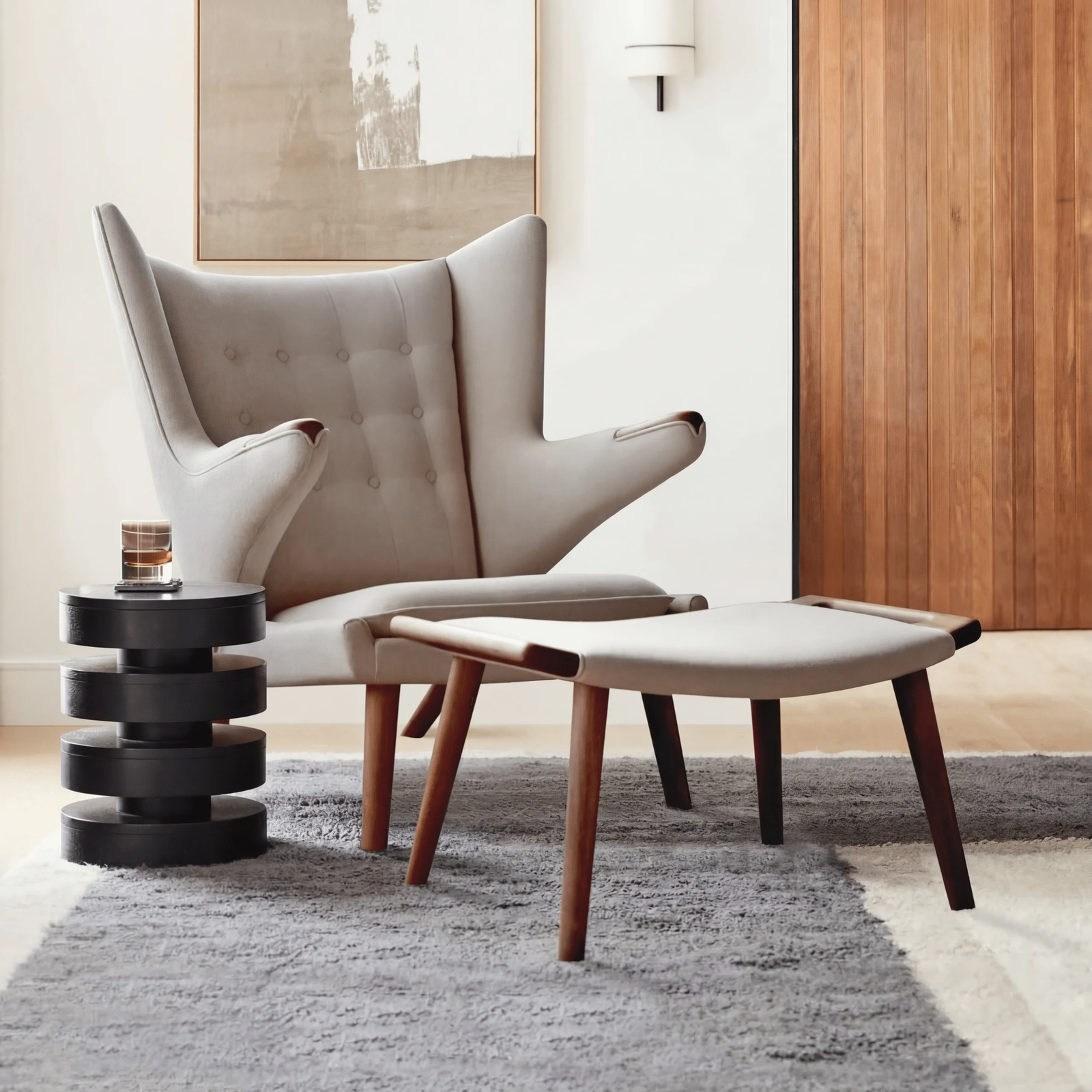
Why modular layout solves common seating issues
Many living rooms struggle with the same problems: awkward corners, uneven traffic flow, and seating that doesn’t fit how people actually use the space. A sectional that can adapt to different room shapes helps you avoid wasting square footage while still achieving a polished look. usm haller replica When you plan for modularity from the start, you can build a layout that supports conversation areas, lounging zones, and easy walking paths. This is especially helpful in open-plan homes where furniture must do more than fill space.
Another frequent issue is that traditional sofas lock you into one configuration, even as your needs change. Guests, family routines, and even new décor can shift how you want to sit, relax, or host. Modular designs let you reconfigure pieces without starting over, which reduces the stress and expense of replacing furniture. You can also balance aesthetics and practicality by choosing a clean, architectural style that works in both minimal and contemporary interiors.
Choosing the right pieces for a flexible, modern setup
To solve layout problems effectively, start by mapping your room’s “must-have” zones. Measure the wall lengths, identify doorways and pathways, and decide where the focal point should be, such as a TV console or a window view. Then choose components tufty time sofa that match how you want to move through the room, ensuring the seating doesn’t block reach or create pinch points. With a modular approach, you can create a practical arrangement that still looks intentional.
Comfort features matter just as much as configuration. A tufty-style seat profile adds visual softness and a welcoming feel, while still fitting modern silhouettes. Pair seating modules with supportive backrests and consider chaise or corner elements to create a natural lounging angle. When the proportions are right, the sectional becomes the centerpiece rather than a bulky obstacle.
Practical styling tips for a cohesive interior
After selecting your layout, focus on cohesion so the sectional looks like part of the design rather than an added piece. Use complementary textures in your rug and curtains to echo the upholstery’s depth, and choose a color palette that ties the room together. If your space is visually busy, keep surrounding décor minimal and let the modular form provide structure. If your space is neutral, add contrast with cushions and a throw that highlight the sofa’s shape.
Lighting and scale can also make or break the final result. Place floor or table lamps so they illuminate seating without creating harsh glare, especially when you’re reading or hosting. Keep side tables sized for real use—think drinks, remotes, and books—so the sectional supports daily life. With a well-planned arrangement, you can enjoy both a refined look and the practical benefits of flexible seating.
Conclusion
By selecting components thoughtfully and styling around your room’s proportions, you can achieve a setup that feels effortless and functional. If you want distinctive contemporary furniture with a sleek, modular mindset, explore options from Sohnne. For shoppers who value convenience, Sohnne also makes the process easier with free U.S. shipping and a 60 day returns policy, so you can choose with confidence. Start by identifying the issues in your current layout, then solve them with adaptable pieces that support both everyday comfort and hosting needs. A well-organized seating plan turns a living room from a compromise into a place people genuinely enjoy.